

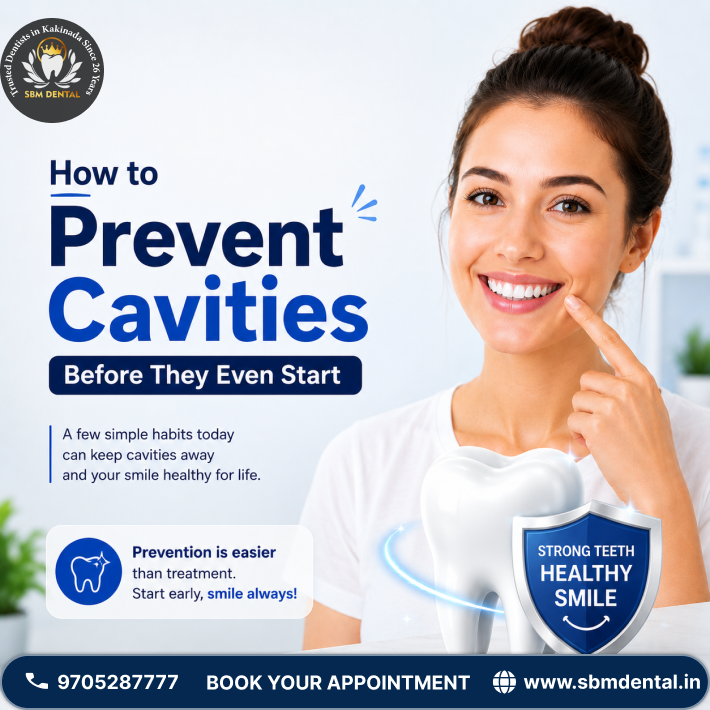
How to Prevent Cavities Before They Even Start
Imagine enjoying your favorite meal without worrying about tooth pain or unexpected visits to the dentist. Most cavities don’t develop overnight; they begin as small problems that often go unnoticed. The good news is that with the right Cavity Prevention Tips, you can stop tooth decay before it starts and keep your smile healthy for years to come. Prevention is always easier, less expensive, and more comfortable than treating cavities later.
What Is a Cavity?
A cavity is a permanently damaged area on the surface of a tooth caused by bacteria, plaque, and acids. When food particles, especially sugary foods, remain on your teeth, bacteria feed on them and produce acids that gradually wear away the enamel. Without proper care, these small areas can grow larger and require fillings or other dental treatments.
Why Do Cavities Develop?
Several everyday habits contribute to tooth decay, including:
- Poor brushing and flossing habits
- Frequent consumption of sugary foods and drinks
- Skipping regular dental checkups
- Dry mouth due to reduced saliva
- Plaque buildup on teeth
Understanding these causes is the first step toward following effective Cavity Prevention Tips.
Early Signs of Tooth Decay
Cavities often begin without noticeable symptoms. However, as they progress, you may experience:
- Tooth sensitivity
- Mild toothache
- White or brown spots on teeth
- Pain while eating sweets
- Small visible holes in teeth
Recognizing these signs early can help prevent further damage.
Cavity Prevention Tips for a Healthy Smile
Following a few simple daily habits can greatly reduce your risk of developing cavities.
Brush Twice Every Day
Brush your teeth for at least two minutes using fluoride toothpaste to remove plaque and food particles.
Don’t Skip Flossing
Flossing removes food debris and plaque from between teeth where a toothbrush cannot reach.
Limit Sugary Foods and Drinks
Sugary snacks and beverages provide fuel for bacteria that cause tooth decay. Try to enjoy them in moderation.
Drink Plenty of Water
Water helps wash away food particles and supports healthy saliva production, which naturally protects your teeth.
Eat Tooth-Friendly Foods
Choose foods rich in calcium and phosphorus, such as milk, cheese, yogurt, leafy greens, and nuts, to strengthen tooth enamel.
These simple Cavity Prevention Tips can make a significant difference in protecting your oral health.
Why Regular Dental Checkups Matter
Even with excellent oral hygiene, routine dental visits are essential. Professional cleanings remove plaque and tartar that cannot be eliminated by brushing alone. Regular examinations also allow dentists to detect early signs of cavities before they become serious problems.
Healthy Daily Habits That Protect Your Teeth
In addition to brushing and flossing:
- Replace your toothbrush every three months.
- Rinse your mouth after meals if brushing isn’t possible.
- Avoid frequent snacking throughout the day.
- Encourage children to develop good oral hygiene habits early.
- Follow a consistent oral care routine.
Practicing these Cavity Prevention Tips every day helps keep your teeth strong and healthy.
When Should You Visit a Dentist?
Schedule a dental visit if you notice:
- Persistent tooth sensitivity
- Pain while chewing
- Dark spots on your teeth
- Bleeding gums
- Ongoing bad breath
Early treatment can prevent minor dental issues from becoming major concerns.
Conclusion
Healthy teeth begin with healthy habits. By following simple Cavity Prevention Tips, maintaining good oral hygiene, and visiting your dentist regularly, you can greatly reduce the risk of tooth decay. Small daily efforts today can help you avoid cavities, protect your smile, and enjoy better oral health for years to come. Book your appointment today and discover the benefits of a confident, beautiful smile!