



Khadar Abdul
2 weeks ago

Yeddu Gayathri Gayathri
2 weeks ago
Best treatment. I came here with seviour tooth pay..they treat me very good and explain good.

Priya Angel
2 weeks ago

Naga babu
2 weeks ago
Treatment bagundhi... treatment andharu m aielaga cheparu...nenu evarani aina dental treatment ki ekadike chepthanu vellamani...

sathis kkv
2 weeks ago
V.good treated
Koushy Vinnu
4 weeks ago
The treatment was good I hade good experience with prathusha madam I request to visit the hospital this was good friendly staff

Md khalik andhra pradesh
4 weeks ago
Good treatment and friendly doctor.

Subramanyam Siripireddy
4 weeks ago
Excellent treatment chala ante chala baga chesaru assalu pain em telikunda I'm so satisfied, thank-you doctors and staff.

lalithapriyadarshini ganti
4 weeks ago

Tcv Rao
2 months ago
Extremely happy and satisfied.. initially I was worried a lot to enter the hospital for my mouth implants. But after a few mins I was very relaxed with the extremely courteous behavior of the whole staff. Efficient and well experienced Dr. Satish garu, other good supporting team of doctors and well trained courteous office staff and painless tratment.. thank you SBM

Phaneendra gollapalli
2 months ago
I had a great experience at SMB Dental, Kakinada. Dr. Savinash treated me with great care and professionalism. My root canal treatment was excellent and virtually painless. He explained every step of the procedure clearly, which made me feel comfortable and confident throughout the treatment.
The clinic is very clean, hygienic, and equipped with advanced dental equipment, making the treatment smooth and efficient. The staff are friendly and supportive, and the overall experience was excellent. I highly recommend SMB Dental to anyone looking for quality dental care in Kakinada.
The clinic is very clean, hygienic, and equipped with advanced dental equipment, making the treatment smooth and efficient. The staff are friendly and supportive, and the overall experience was excellent. I highly recommend SMB Dental to anyone looking for quality dental care in Kakinada.

Jyothirani usarthi
2 months ago
I was very nervous before getting my two dental implants, but the entire experience turned out to be so comfortable. The way Doctor Sir and the entire team treated me completely took away all my fear and made me feel relaxed throughout the procedure.
A heartfelt thank you to Doctor Sir and the whole team for your kindness, care, and professionalism. I truly appreciate everything you did. Thanks to jyothi garu. Highly recommended!
Jyothi rani ❤️
A heartfelt thank you to Doctor Sir and the whole team for your kindness, care, and professionalism. I truly appreciate everything you did. Thanks to jyothi garu. Highly recommended!
Jyothi rani ❤️

Padmaja Penmetsa
3 months ago
I had an excellent experience with my dental implant and crowns treatment at SBM dental clinic. Dr.Satish was highly professional, knowledgeable and experienced. He made me feel comfortable throughout the process by explaining every step in detail. The implants process was painless and completed whole the service within a very short period of span. I’m very happy with the results and would highly recommend this clinic to anyone. Thank you SBM for the outstanding care and excellent service!

Dr.Srivirajitha
5 months ago
Life-changing smile restored with expert dental implants at SBM Dental Hospital. Precise planning, comfortable treatment, and confident results.Highly recommend for anyone looking for trusted implant care in kakinada. Thank you so much SBM team.

DEVI BOLLA
8 months ago
Good dental hospital in kakinada... highly recommend this Hospital... painless treatment

Satya Saibaba Kona
8 months ago
I've been to sbm dental hospital, doctor savinash has treated me well. Thank u for ur patience and care.

svss prakash
8 months ago
Iam SVSS PRAKASH.
My wife Satyavathi under went rootcanal treatment in SBM dental clinic,bhanugudi,Kakinada.
Dr. Syam garu gave excellent treatment, with out any pain and smoothly.
Dr. Pratyusha garu explained full condition of teeth.
The doctors inthis hospital take good care of their patients.
We proudly say the medical staff and non medical staff are very amicable.
I suggest every one , this is the best dental hospital in Kakinada.
My wife Satyavathi under went rootcanal treatment in SBM dental clinic,bhanugudi,Kakinada.
Dr. Syam garu gave excellent treatment, with out any pain and smoothly.
Dr. Pratyusha garu explained full condition of teeth.
The doctors inthis hospital take good care of their patients.
We proudly say the medical staff and non medical staff are very amicable.
I suggest every one , this is the best dental hospital in Kakinada.

Narala Vijaya
8 months ago
Excellent

Somu Kinthada
8 months ago
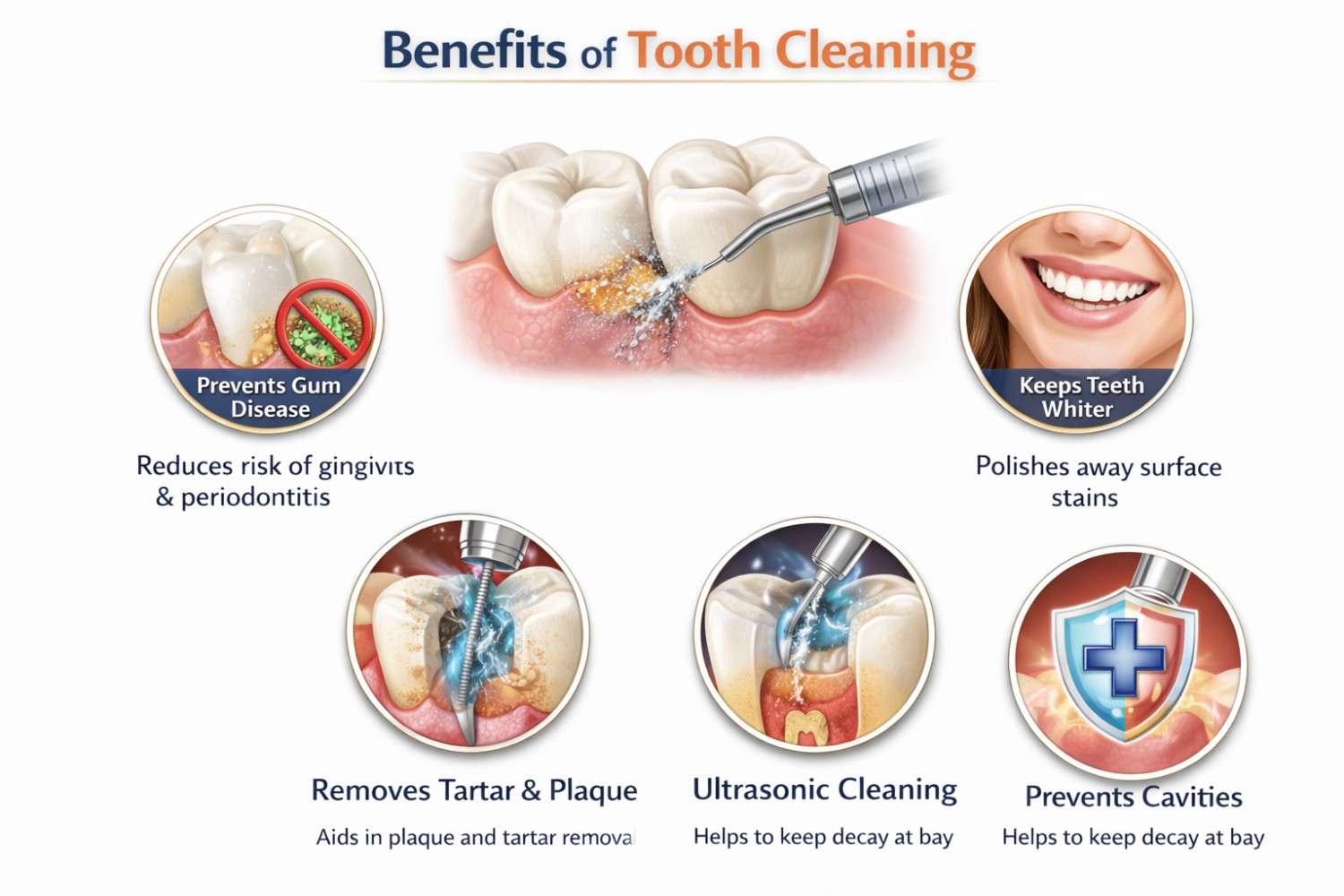
Got my dental scaling done here the procedure was smooth,painless and hygienic my gums feels healthier and teeth look cleaner good experience overall

Suresh Masa
9 months ago
Great care. Dr Satish is very accommodative and the staff as well. I did have an impacted wisdom tooth extracted, it was done with extra care and have been following up on how I was doing. It was very nice of the team. Thank you so much. Definitely recommend for others.

Satish Rimmalapudi
10 months ago
I had an excellent experience at SBM Dental Hospital! The staff is professional, friendly, and incredibly welcoming, which immediately put me at ease. Dr. Satish is thorough, knowledgeable, and explains every procedure in a clear, reassuring way. The office is clean, modern, and well-organized, making visits comfortable and stress-free. I’ve always been nervous about dental appointments, but this team made the whole process smooth and even pleasant. I highly recommend Dr. Satish to anyone looking for a caring and skilled dentist!

David Raju
11 months ago
I visited SBM Dental Hospital for a tooth implant consultation and had a very good experience. Dr. Sathish sir was kind, patient, and explained the procedure clearly in simple terms. The hospital is fully equipped with all facilities like OPG X-ray and CBCT scan. The consultation was affordable, and the clinic was clean, well-maintained, and supported by friendly staff. A great place for anyone looking for quality dental care!

Nani Pothabathula
1 year ago
I had a very positive experience at this hospital. From the moment I arrived, the staff was welcoming, professional, and attentive. The doctors were highly knowledgeable and took the time to explain everything clearly, which made me feel comfortable and well cared for.
The nursing team was incredibly kind and responsive throughout my stay. Cleanliness was top-notch, and all facilities were modern and well-maintained. I also appreciated how organized everything was, especially with appointments and follow-ups.
Overall, I’m very thankful for the excellent care I received and would highly recommend this hospital to anyone looking for quality medical treatment.
The nursing team was incredibly kind and responsive throughout my stay. Cleanliness was top-notch, and all facilities were modern and well-maintained. I also appreciated how organized everything was, especially with appointments and follow-ups.
Overall, I’m very thankful for the excellent care I received and would highly recommend this hospital to anyone looking for quality medical treatment.

Rabindra Tadingi
1 year ago
I have visited SBM Dental hospital for my clip treatment. I have got aligners on suggetion of orthodontist. I am very happy and satisfied. With in few weeks I saw that my teeth started getting corrected. I'm very thankful to my orthodontist and the premium services offered at Sri Bhavani multi-speciality dental hospital. My smile has improved so much!!🤩