


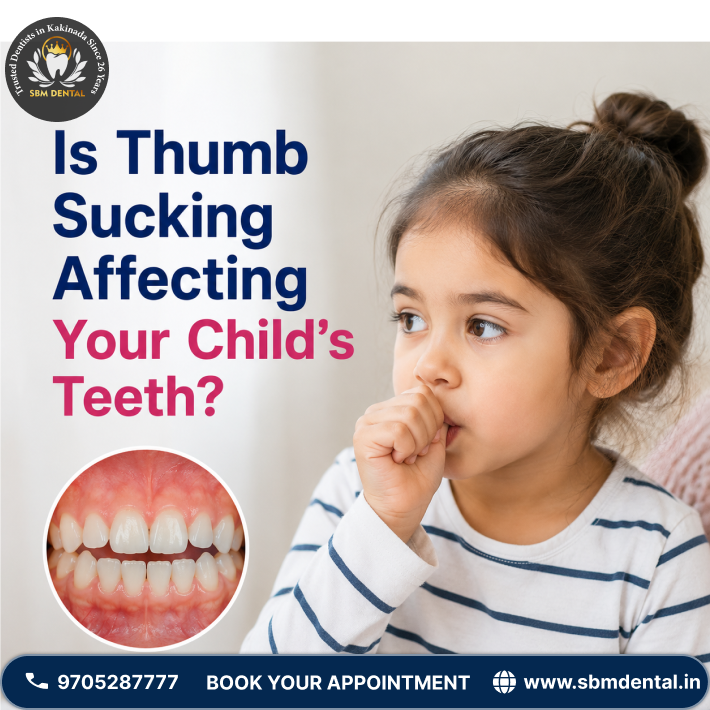
Is Thumb Sucking Affecting Your Child’s Teeth?
Thumb sucking is a natural habit that many babies and young children develop. It often helps them feel calm, secure, and comfortable, especially during sleep or stressful situations. While this habit is usually harmless in the early years, continuing it for too long can affect the development of your child’s teeth and jaw.
Understanding when thumb sucking becomes a concern and exploring the right Thumb Sucking Treatment options can help protect your child’s healthy smile.
Why Do Children Suck Their Thumbs?
Thumb sucking is a normal reflex that begins even before birth. Most children naturally stop this habit between the ages of 2 and 4.
Common reasons include:
- Feeling comforted or relaxed
- Falling asleep more easily
- Managing stress or anxiety
- Habit developed during infancy
In most cases, parents don’t need to worry unless the habit continues after permanent teeth begin to appear.
How Can Thumb Sucking Affect Your Child's Teeth?
Prolonged thumb sucking can place constant pressure on the teeth, gums, and jaw. Over time, this may lead to:
- Crooked or misaligned teeth
- Changes in jaw development
- Bite problems
- Difficulty speaking clearly
- Changes in the roof of the mouth
If these changes begin to appear, early Thumb Sucking Treatment can help prevent future dental complications.
Signs the Habit May Be Affecting Oral Health
You should consult a dentist if you notice:
- Front teeth sticking out
- Difficulty closing the mouth properly
- Changes in your child’s bite
- Thumb sucking continuing beyond the age of 4 or 5
- Speech difficulties
Early evaluation allows dental professionals to recommend appropriate guidance before the problem worsens.
How Can Parents Help Their Child Stop Thumb Sucking?
Breaking the habit takes patience and encouragement. Some helpful strategies include:
Offer Positive Reinforcement
Praise your child whenever they avoid thumb sucking instead of punishing them.
Identify Triggers
Notice when your child sucks their thumb, such as during boredom, stress, or bedtime, and offer alternative comfort methods.
Keep Little Hands Busy
Provide toys, books, or creative activities that help distract your child from the habit.
Create a Bedtime Routine
Reading a story or cuddling before sleep can reduce the need for thumb sucking.
If the habit continues despite these efforts, your dentist may recommend suitable Thumb Sucking Treatment based on your child’s age and dental development.
When Is Professional Treatment Needed?
Professional guidance may be recommended if:
- The habit continues after permanent teeth begin to erupt.
- Your child’s bite is changing.
- Jaw development is affected.
- Home techniques have not been successful.
Dentists can evaluate your child’s oral development and suggest gentle methods to help stop the habit while protecting their smile.
Benefits of Early Treatment
Addressing thumb sucking at the right time can:
- Support proper jaw development
- Reduce the risk of crooked teeth
- Prevent bite problems
- Improve speech development
- Lower the need for future orthodontic treatment
Choosing the right Thumb Sucking Treatment early can make a significant difference in your child’s long-term oral health.
When Should You Visit a Dentist?
Schedule a dental visit if:
- Thumb sucking continues after the age of 4 or 5.
- You notice changes in your child’s teeth or bite.
- Your child experiences difficulty speaking or chewing.
- You’re unsure whether the habit is affecting oral development.
Early dental advice can help prevent more complex problems later.
Conclusion
Thumb sucking is a common childhood habit, but if it continues for too long, it may affect your child’s teeth and jaw development. Recognizing the early signs and seeking the right Thumb Sucking Treatment can help protect your child’s smile and support healthy oral growth. With patience, encouragement, and timely dental care, most children can successfully overcome the habit and enjoy strong, healthy teeth.